





Merchant cash advance and POS-based business loans
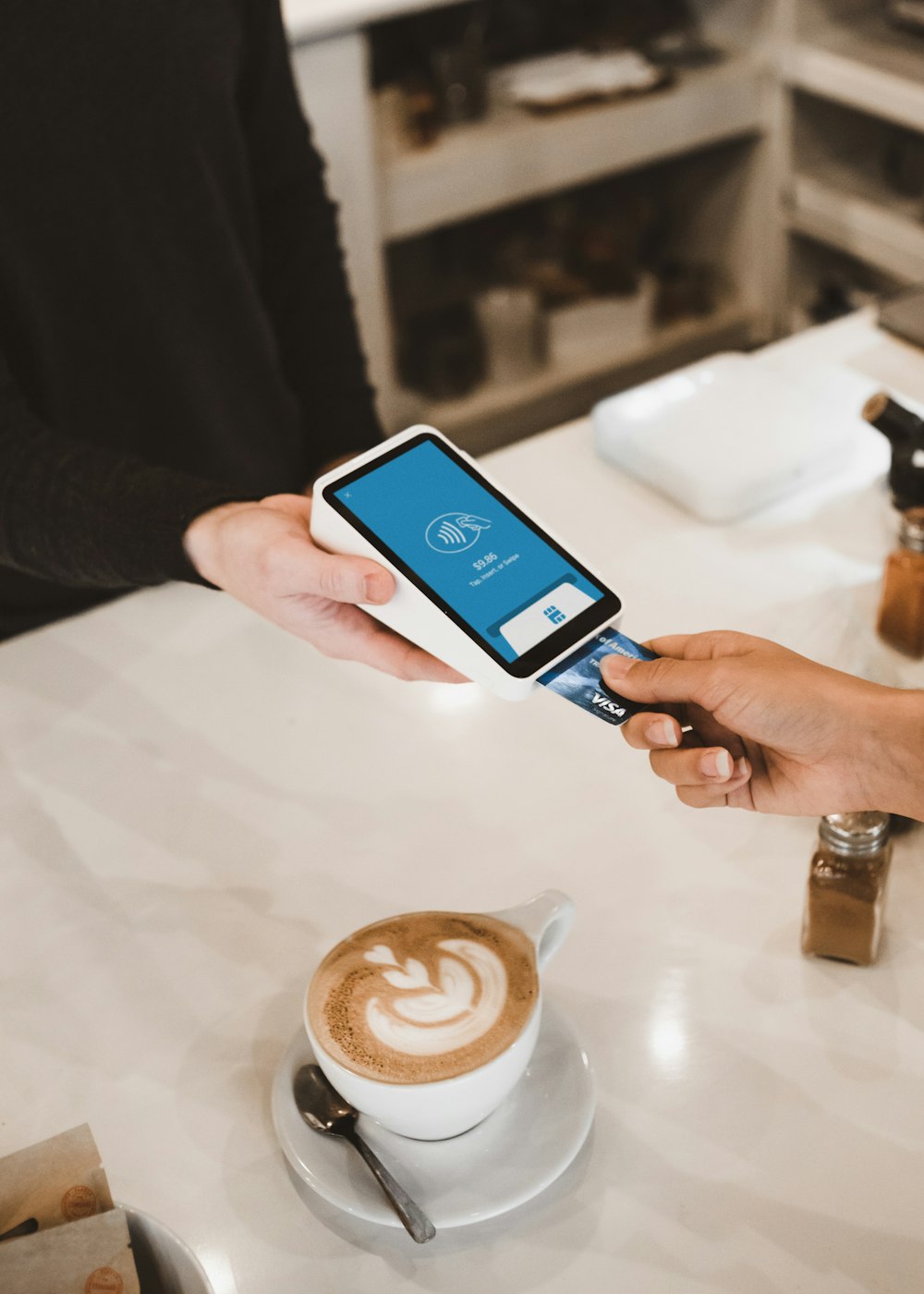
A merchant cash advance or POS-based loan is business funding assessed on a merchant's card, UPI or terminal settlement history, repaid either by fixed instalments or as a share of daily settlements. Digital lenders must give a Key Facts Statement with the annual percentage rate before you sign. It suits a merchant with regular card and UPI sales.
Capnix is not a lender and never lends its own capital. The lender decides approval, amount and terms. We present your sales history, settlement pattern, margins and seasonality, share your file with lenders on our panel only after you give consent, and run the lender application. Getting your loan through us costs you nothing.

- Loan
- Merchant Cash Advance / POS-based Loans
- Decided by
- The lender
- Cost to you
- ₹0
- Last checked
The facts that matter
| Fact | What it means | Source |
|---|---|---|
| Key Facts Statement on digital loans | Digital lenders must give a Key Facts Statement under RBI's 15-Apr-2024 circular. |
RBI Digital Lending Directions, 08-May-2025 Checked 02-Oct-2026 |
| Annual percentage rate (APR) | The annual cost of credit, including the interest rate and all other charges. |
RBI Key Facts Statement circular, 15-Apr-2024 Checked 02-Oct-2026 |
| Cooling-off exit | You can exit a digital loan by repaying the principal and proportionate APR with no penalty, within a period of at least one day. |
RBI Digital Lending Directions, 08-May-2025 Checked 02-Oct-2026 |
| No hidden charges | A fee that is not in the Key Facts Statement cannot be charged unless you have explicitly agreed to it. |
RBI Key Facts Statement circular, 15-Apr-2024 Checked 02-Oct-2026 |
How repayment from sales works
Two structures are common. The rows below describe usual lender practice, not rules. Ask which one you are being offered.
| Item | Fixed instalments, assessed on settlements | A share of daily settlements |
|---|---|---|
| How it is repaid | A set instalment each month | A share of each day's card and UPI settlements, until repaid |
| How the cost is quoted | An annual interest rate | Often a factor rate, a multiple of the amount advanced |
| What changes in a slow month | The instalment stays the same | The amount taken falls with sales |
| What to ask the lender | The annual percentage rate and the tenor | The annual percentage rate, and the total you will repay |
Your rights on a digital loan
Offers that arrive inside a payments app are usually digital loans. The same rules apply.
| Right | What it means | Source |
|---|---|---|
| Key Facts Statement | You must get one before you sign, in the standard format. |
RBI Digital Lending Directions, 08-May-2025 Checked 02-Oct-2026 |
| APR | The statement states the annual percentage rate. Convert any factor rate to an APR before you compare. |
RBI Key Facts Statement circular, 15-Apr-2024 Checked 02-Oct-2026 |
| Cooling-off exit | You can exit within the cooling-off period by repaying the principal and proportionate APR, with no penalty. |
RBI Digital Lending Directions, 08-May-2025 Checked 02-Oct-2026 |
| No hidden charges | A fee that is not in the statement cannot be charged unless you have explicitly agreed to it. |
RBI Key Facts Statement circular, 15-Apr-2024 Checked 02-Oct-2026 |
A government-linked alternative
Udyam-registered micro enterprises can also look at a revolving Micro Credit Card of up to ₹5,00,000, with a CGTMSE guarantee of 75%. Whether banks are issuing it is not yet confirmed, so ask the lender.
Source: CGTMSE circular 259, 18-Mar-2026, checked 02-Oct-2026.
Worked example: ₹3,00,000 over 12 or 18 months by fixed instalments
A merchant borrows ₹3,00,000 on fixed instalments at 17.25% a year, the starting rate one NBFC publishes for unsecured business loans. It is an example, not an offer. Your rate is set by the lender.
| Item | 12 months | 18 months |
|---|---|---|
| Loan amount | ₹3,00,000 | ₹3,00,000 |
| Monthly instalment | ₹27,397 | ₹19,035 |
| Total interest | ₹28,764 | ₹42,624 |
| Total repaid | ₹3,28,764 | ₹3,42,624 |
Monthly instalment = P x r x (1+r)^n / ((1+r)^n minus 1). A settlement-linked loan repays by a share of daily settlements instead, and the lender sets that share. Fees are not included.
Source: Lendingkart business loan rates, checked 02-Oct-2026.
Who it suits and who it does not
A strong fit if
- You receive regular card, UPI, POS or digital payments
- Your sales are frequent enough to show you can repay
- You need business funding without a collateral-led route
Not a fit if
- You mostly take cash, so settlements do not show your sales
- Your sales swing sharply and a fixed instalment would strain a slow month
How Capnix fits
- Start with your free Capnix score. It reads banking and cash patterns, the evidence a settlement-linked lender uses.
- Sales and settlement data reach a lender or a Lender Partner only after you give consent. You can withdraw that consent in your Capnix account.
- Our fee comes from the lender after disbursal, never from you.
More than a loan. A team that gets you there
Funding based on sales movement
We help a lender see your transaction history, settlement rhythm and seasonal sales pattern.
Useful for merchant-led businesses
We approach lenders suited to retailers, restaurants, clinics, salons and other businesses with regular digital collections.
Where this helps
- Fund stock before peak sales periods
- Manage short-term cash needs
- Finance small upgrades, fit-outs or equipment
- Use digital sales history to support a loan case
What happens after you start
We work out your Capnix score first, then work the lender applications with you until the money is disbursed.
See how it worksLoan products, rates, and eligibility are determined by the lenders on our panel. Capnix is not a lender and does not lend its own capital. We run your loan journey end to end.
Have a question?
Find answers here
Whether you are scaling up, smoothing cash flow, or buying new equipment, we take your file to the right lender and stay with it through to disbursal.
Read your sales rhythm. Matched to the right lender
Merchant-led lending depends on transaction consistency, settlement patterns, margins, and seasonality. We read the sales trail behind the business.
From there we approach lenders who understand POS and digital-payment-led cash flow, so your collections help tell the funding story.
Real people,
start to disbursal.
No hand-offs and no generic replies. A dedicated team
works the lenders while you keep running your business.